
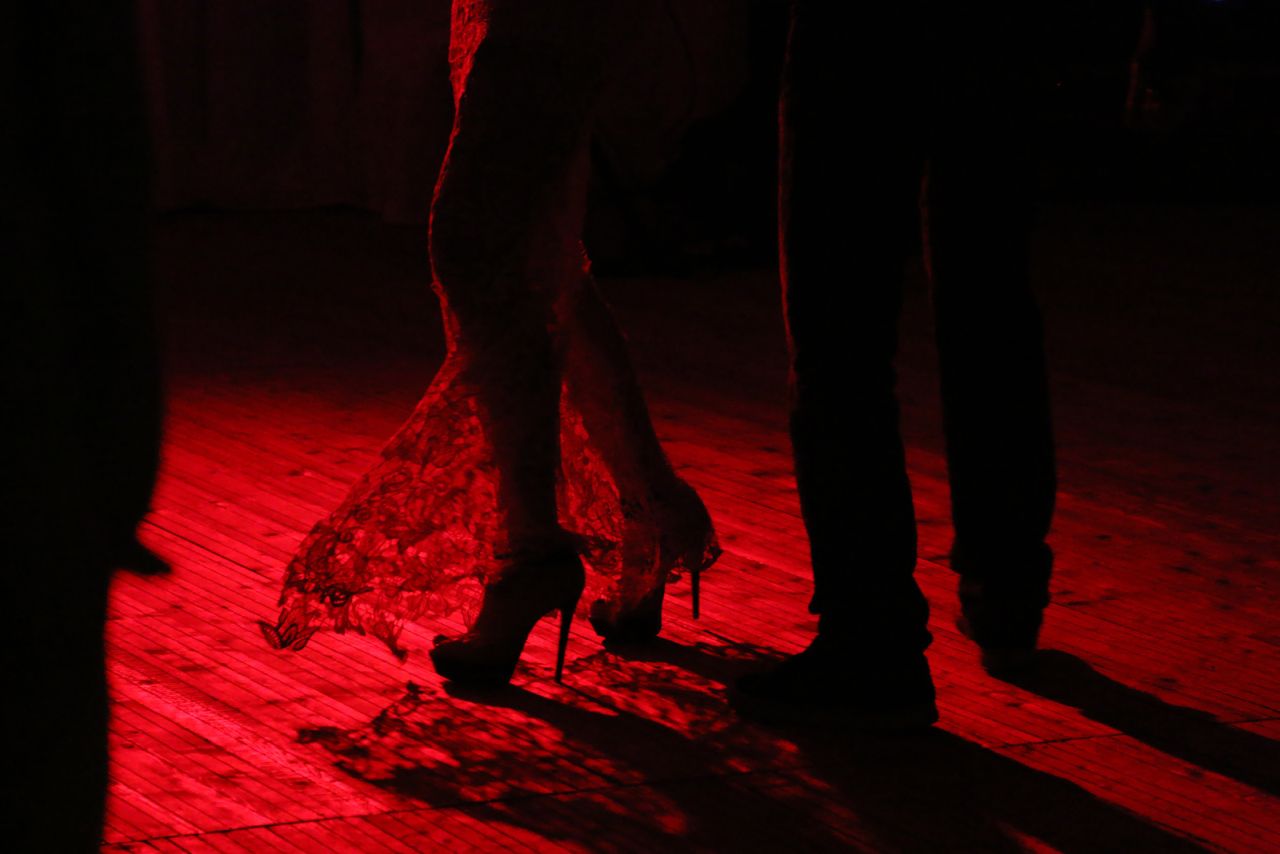
Imagine yourself in Buenos Aires, the city where tango pulses through every street corner and vibrant venue. You might be wondering: what’s it really like to watch a tango show alone?
Will you feel out of place or miss sharing the experience with someone? The truth is, going solo opens a unique door to fully immerse yourself in the passion, music, and drama of this iconic dance. You’ll discover exactly what to expect—from the electric atmosphere to seating tips and how to make the most of your night.
Get ready to feel the heartbeat of Buenos Aires’ tango scene like never before.
Why See Tango Shows Solo
Watching a tango show alone in Buenos Aires offers a special kind of magic. It lets you dive deep into the dance and the culture. Without distractions, your focus sharpens on the passion of each move and the music’s soul. Solo visits bring a fresh way to experience tango’s powerful story.
Unique Personal Experience
Going solo means the show becomes your own moment. You feel every step and every note in a personal way. No need to share attention or adjust to others. This makes the emotional impact stronger. The night turns into a memory just for you.
Freedom To Explore At Your Own Pace
Seeing a tango show alone lets you choose your schedule. Arrive early or late. Stay as long as you want. You can explore different venues without worrying about others. This freedom makes your trip smoother and more fun. You control how you enjoy the evening.
Meeting Locals And Travelers
Being alone opens doors to new connections. Locals often welcome solo visitors warmly. Travelers also like sharing stories and tips. Tango shows become places to meet people who love this dance. These encounters can enrich your trip and create lasting friendships.
Top Venues In Buenos Aires
Buenos Aires offers a rich variety of venues to enjoy authentic tango shows. Each place has its own charm and style. This diversity makes the city perfect for solo travelers who want to experience tango deeply. From grand theaters to cozy spaces, the options suit every mood and interest.
Classic Theaters And Historic Spots
Some venues have a long history with tango. These theaters preserve the classic spirit of Buenos Aires. They feature elegant architecture and grand stages. Shows here often include live orchestras and professional dancers. The atmosphere feels like stepping back in time. Examples include the iconic Teatro Colón and El Viejo Almacén. These places offer a traditional and polished tango experience.
Modern And Intimate Settings
Smaller venues provide a closer, personal feel. Modern tango bars and salons create an intimate vibe. You can sit near the dancers and watch every move. These places often mix tango with local food and drinks. The crowd is usually friendly and relaxed. Venues like La Viruta and Salon Canning are popular choices. They invite solo visitors to feel part of the tango community.
Outdoor And Street Performances
Tango also lives in the open air around the city. Street performers and outdoor stages bring tango to the public. Places such as Plaza Dorrego and Caminito offer free shows. Watching tango outside lets you enjoy the city’s vibrant life. The energy is raw and spontaneous. This option is perfect for those who want a casual and lively experience.
What To Expect During The Show
Watching a tango show alone in Buenos Aires offers a unique chance to dive deep into this passionate art form. Expect an evening filled with emotion, skill, and rich cultural storytelling. The experience will engage your senses and leave a lasting impression.
Each element of the show works together to create an unforgettable night. From the setting to the music and dance, every detail tells a part of the tango story.
Atmosphere And Ambiance
The venue sets the mood with dim lighting and elegant decor. Small tables and close seating create an intimate space. The air feels charged with anticipation as the audience waits quietly. You will feel part of a shared experience, even sitting alone.
Dance Styles And Storytelling
The dancers tell stories through movement. Expect to see traditional tango, milonga, and vals. Each style has its own rhythm and emotion. The dancers express love, tension, and passion without words. Their skill and grace bring the music to life before your eyes.
Live Music And Orchestras
Live orchestras fill the room with rich, vibrant sounds. The musicians play classic tango pieces with deep feeling. The live music adds energy and authenticity to the show. You will hear violins, bandoneons, and piano weaving together perfectly. This sound connects you to the heart of Buenos Aires.
Dress Code Tips
Choosing the right outfit for a tango show in Buenos Aires makes the experience more enjoyable. The dress code blends elegance with comfort. Visitors should balance looking polished with feeling at ease. This guide helps solo travelers prepare their attire for a memorable night.
Smart Casual And Semi-formal Options
Smart casual suits most tango venues well. Men can wear a button-down shirt with chinos or dark jeans. Women might choose a simple dress or a blouse paired with a skirt. Semi-formal attire fits upscale places. A tailored blazer or a dressy blouse adds style. Avoid overly casual clothes like shorts or sneakers. Aim for neat, clean, and well-fitting garments.
Comfortable Footwear Choices
Comfort is key for footwear at tango shows. Many venues have wooden floors, perfect for dancing or walking. Closed-toe shoes with a low heel work best. Women can wear dressy flats or low-heeled shoes. Men should pick polished loafers or dress shoes. Avoid brand-new shoes to prevent blisters. Prepare for some standing or light dancing during the show.
Seasonal Considerations
Buenos Aires weather changes with the seasons. Summer evenings can be warm and humid. Light fabrics like cotton or linen help you stay cool. In winter, temperatures drop, especially at night. Layer your outfit with a stylish jacket or shawl. Spring and autumn bring mild weather. A light sweater or cardigan might be useful. Check the forecast before your visit to dress properly.
Solo Traveler Etiquette
Going to a tango show alone in Buenos Aires is a unique adventure. Knowing the proper etiquette makes the experience more enjoyable and respectful. Solo travelers should be aware of how to behave around performers and the audience. It also helps to respect local customs and rules about photos and videos. This knowledge creates a positive atmosphere for everyone.
Interacting With Performers And Audience
Be polite and quiet during the show. Applaud at the right moments to show appreciation. Avoid interrupting the dancers or musicians. If you meet performers after the show, greet them kindly but keep conversations brief. Other audience members are sharing the experience too. Respect their space and avoid loud talking or phone use during performances.
Respecting Cultural Norms
Tango is a deep part of Argentine culture. Dress neatly, as locals value appearance at shows. Avoid casual or overly bright clothes. Follow seating rules and do not move around during the performance. Show interest in the dance and music by watching carefully. Do not whistle or shout, as it can disturb the atmosphere. Understanding these norms helps you blend in smoothly.
Photography And Recording Rules
Most tango shows do not allow flash photography or video recording. This protects the performers and the quality of the show. Always check with staff before taking pictures. If allowed, keep your camera silent and avoid bright lights. Use your phone discreetly and only during breaks. Respect these rules to support the artists and other guests.
Joining Milongas Alone
Experiencing a tango show alone in Buenos Aires feels welcoming and safe. Expect passionate performances, lively music, and a friendly crowd eager to share the magic of tango. Sitting solo allows full focus on the dance and atmosphere without distractions.
Attending a milonga alone in Buenos Aires offers a unique chance to dive into tango culture. It can feel daunting at first. The energy, the music, the dancers—all create a vibrant atmosphere that welcomes both beginners and seasoned dancers.
Going solo means you rely on your own courage and curiosity. You observe closely, learn by watching, and gradually become part of the rhythm. Many locals and visitors attend alone, making it easier to connect and enjoy the experience fully.
What Is A Milonga?
A milonga is a social event where people gather to dance tango. It is less formal than a show and more interactive. The atmosphere is relaxed, allowing dancers to express themselves freely.
People come to a milonga not only to dance but also to meet others who love tango. It is a place to practice, enjoy music, and feel the spirit of Buenos Aires. Newcomers are usually welcomed warmly.
Navigating Social Dance Events Solo
Going to a milonga alone means you should stay open and friendly. Watch how others invite partners and respond to invitations. Smiles and eye contact help build trust.
Do not worry about skill level. Most dancers understand beginners and enjoy sharing the dance floor. Listen to the music and follow the crowd’s flow. Respect is key in every interaction.
Hiring A Dance Host Or Guide
Hiring a dance host or guide can ease the experience. These guides know the local scene well and can introduce you to dancers. They help break the ice and explain the dance etiquette.
A host can assist with invitations and help you feel more confident. This option is perfect for first-timers or those who want a smoother start. It turns the milonga into a more enjoyable and less intimidating event.
Enhancing Your Tango Experience
Enhancing your tango experience in Buenos Aires adds depth to your visit. Watching a show alone offers a unique chance to connect with the dance and culture. Immersing yourself beyond the performance enriches your understanding and enjoyment. There are simple ways to make your tango journey more memorable and meaningful.
Taking Beginner Tango Classes
Joining beginner tango classes helps you feel the rhythm and steps firsthand. These classes welcome solo learners and focus on basic movements. Learning some tango basics boosts your appreciation of the show. It also makes socializing easier, opening doors to meet locals and fellow travelers. The hands-on experience brings the dance to life in a special way.
Exploring Tango History And Culture
Diving into the history and culture of tango deepens your connection with the dance. Museums and cultural centers in Buenos Aires showcase tango’s rich past. Understanding its origins in immigrant neighborhoods adds meaning to the performances. Stories of famous dancers and composers enhance your interest. This background helps you see tango not just as dance, but as a living tradition.
Combining Shows With City Tours
Pairing tango shows with city tours creates a full Buenos Aires experience. Walking tours through neighborhoods like San Telmo reveal tango’s roots. Exploring local cafes and street art brings the city’s vibe alive. Some tours include visits to dance halls or rehearsal spaces. This blend of sightseeing and tango immerses you in the true spirit of Buenos Aires.
Safety And Practical Tips
Attending a tango show alone in Buenos Aires is exciting and safe with the right tips. Knowing how to move around and prepare helps you enjoy the night fully. This section covers key safety and practical advice for solo travelers.
Getting To And From Venues Safely
Use trusted taxi apps like Cabify or Uber to reach the venue. Avoid hailing taxis on the street at night. Arrange your ride back before the show starts. Stay in well-lit areas while waiting for your transport. Keep your phone charged and handy for emergencies.
Language Tips For Solo Travelers
Learn basic Spanish phrases related to directions and greetings. Simple words like “hola,” “gracias,” and “dónde está” help a lot. Carry a translation app for quick communication. Speak slowly and clearly to avoid confusion. Locals appreciate any effort to speak their language.
Booking Tickets And Seating Advice
Book tickets online in advance to secure your spot. Choose seats in the middle or front rows for better views. Avoid last-minute purchases to prevent sold-out shows. Check if the venue has assigned seating or general admission. Print your ticket or save it on your phone for easy entry.
Frequently Asked Questions
Should You See A Tango Show In Buenos Aires?
Yes, seeing a tango show in Buenos Aires offers a unique cultural experience. It showcases passionate storytelling through dance. The vibrant atmosphere captures the city’s soul. Attending a show is highly recommended for visitors seeking authentic Argentine culture.
Can You Do The Tango Alone?
Yes, you can practice tango alone by focusing on solo technique exercises. This improves your skills without a partner.
What To Wear To A Tango Show In Buenos Aires?
Wear smart casual or semi-formal attire to a tango show in Buenos Aires. Choose elegant dresses or dress shirts with slacks. Comfortable yet polished shoes are ideal. Aim for a look similar to attending a theater or Broadway performance. Avoid overly casual clothing.
What Is The Etiquette For The Argentine Tango?
Argentine tango etiquette requires focus during dancing, avoiding conversation, and switching partners often. Lead and follow smoothly with respect and presence.
Conclusion
Watching tango shows alone in Buenos Aires offers a unique, rich experience. You will enjoy the passionate dance and vibrant culture. Expect to feel the music and emotions deeply. The atmosphere is welcoming, even for solo visitors. Dress nicely and arrive with an open heart.
This experience connects you to the true spirit of Buenos Aires. Don’t worry about being alone; the show captivates everyone. Embrace the moment, and you will leave with lasting memories. A solo tango show visit is both inspiring and unforgettable.

Hi, I’m Natalia, an Argentine writer born and raised in Buenos Aires, and I’ve been writing about this city for 9 years.
I cover Buenos Aires the way only a local can: the neighbourhoods that don’t make the highlight reels, the ferias worth getting up early for, the parrillas where the menu isn’t in English, and the safety picture by barrio — honest, not sanitized. I’ve taken 40+ solo trips across Argentina, Uruguay, Chile, Bolivia and Peru, and I write in both Spanish and English, which means the local forums, neighbourhood Facebook groups and municipal notices that never get translated are all fair game for me.
My writing covers two things I know from the inside: Buenos Aires as a destination — what to do, where to stay, how to navigate the city as a visitor — and Buenos Aires as a place to live. The expat life content comes from real experience: the paperwork that defeats everyone, the healthcare system that surprises you, the cost of living that changes faster than any guidebook can track, and the parts of porteño life that make it worth all of it.
If you’re visiting for a week or moving here for a year, I aim to be the honest friend who actually lives here — not the one who visited once and wrote a listicle.