
What’s Christmas Like in Buenos Aires?
The Vibes and Festivities
Ever wondered what Christmas feels like when it’s 30°C, the sun’s blazing, and people are walking around in shorts? In Buenos Aires, December 24 and 25 land right in the middle of summer, so instead of cozy fireplaces you get sticky, humid evenings, cold beer, and late-night street noise that goes until 3 or 4 a.m. You’ll see plastic snowflakes and Santa in full winter gear in shop windows, but you’re sweating through your shirt and dodging air conditioners dripping on you from balconies. It’s a weird, fun cultural mashup that actually works.
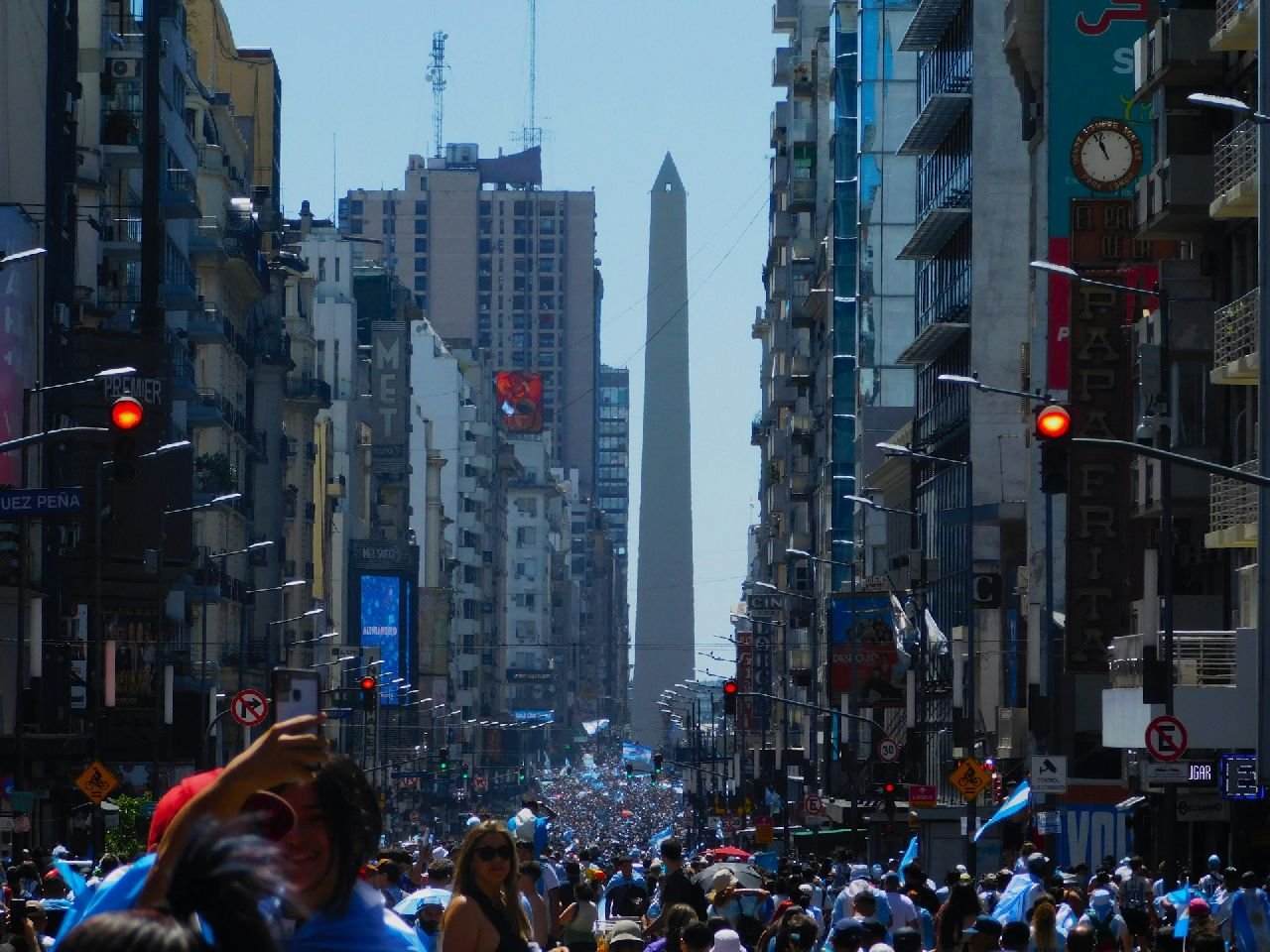
Citywide, the vibe is more low-key than what you might expect in, say, New York or Europe. There are some light displays on big avenues like Avenida de Mayo and around Plaza de Mayo, and shopping malls like Galerías Pacífico go pretty all-in on decorations, but you won’t find massive Christmas markets on every corner. Instead, you get sporadic fireworks popping off for days, late-night gatherings in plazas, and packed cafes on the 24th and 25th as people linger over long sobremesas (post-meal chats) in the warm air. It feels less like a Hallmark movie and more like one long, slightly chaotic neighborhood party.
How Locals Celebrate
What actually happens behind those big wooden doors and balcony windows on Christmas in Buenos Aires? You’ll find that the main event is Nochebuena on December 24, not the morning of the 25th. Families usually sit down for a long dinner around 10 or 11 p.m., then toast with sidra (cheap sparkling cider) or champagne at midnight and open gifts right away. Kids are wired on sugar and fireworks, abuelas are telling everyone to eat more, and you’re probably still working through your third plate of vitel toné (cold veal with tuna sauce that locals are weirdly obsessed with).
Foodwise, you’re not getting roast turkey by the fireplace. You’re way more likely to be in someone’s backyard or terraza with an asado churning out choripán, ribs, and provoleta while salads, piononos (savory or sweet roulades), and pan dulce (Argentinian-style panettone) keep appearing out of nowhere. At midnight, the sky explodes with fireworks across pretty much every neighborhood – San Telmo, Palermo, Almagro, you name it – and you’ll see people spilling into the streets with plastic cups, hugging neighbors they only sort-of know. By 2 a.m. a lot of younger locals head to bars or boliches, so if you go out, you’ll realize Christmas Eve here doubles as one of the better party nights of the year.
Beyond the family dinner and fireworks, you’ve got a few other traditions you’ll bump into if you’re paying attention. Some locals hit a quick Misa de Gallo (midnight mass) either right before or right after the midnight toast, especially around big churches like the Metropolitan Cathedral or Basílica de Nuestra Señora del Pilar in Recoleta.
Others escape the furnace-like city entirely and spend the whole Christmas period at country houses or by the river in Tigre, turning it into a long weekend of barbecues and pool time instead of a one-night thing. And since around two-thirds of Argentines identify as Catholic but practice pretty flexibly, you’ll see everything from full-on religious families to super laid-back, secular hangouts where Christmas is basically an excuse to eat too much, talk too loudly, and stay up until sunrise.
Key Takeaways:
- Christmas in Buenos Aires feels more like a warm summer street party than a cozy winter holiday, so think late-night asado on a terraza, cold Malbec, and fireworks at midnight instead of fireplaces and ugly sweaters.
- The best way to spend Christmas Eve is to join a local-style cena with friends, a hostel crew, or a puerta cerrada (closed-door restaurant) and then head out after midnight for rooftop drinks, bar hopping in Palermo, or just wandering through plazas packed with people.
- Daytime on Christmas is slow and kind of magical – hit the nearly empty streets of Microcentro or Puerto Madero, stroll the Costanera with an ice cream, or linger over a long, lazy lunch at a parilla while the city finally chills out for a few hours.
My Favorite Ways to Spend Christmas Day
Exploring the City’s Best Traditions
People assume everything shuts down on Christmas Day, but in Buenos Aires the city just kind of shifts gears instead of stopping. You can walk down Avenida de Mayo and see abuelas in their Sunday best heading to mass at the grand Catedral Metropolitana, then five minutes later you’re watching kids skateboarding past the Casa Rosada like it’s any random Sunday. If you’re up early, swing by Plaza de Mayo or Plaza San Martín and you’ll catch locals lingering on benches, sipping mate, sharing leftover turrón and pan dulce from the night before.
Later in the day, wandering through Palermo and Recoleta gives you a weird but cool mix of quiet streets and little pockets of life. Some cafes in Palermo Soho crack open around midday so you can grab a cortado and watch dogs pulling owners around in their brand-new Christmas harnesses. Around Recoleta Cemetery you’ll often find street musicians still playing tango or folklore for the handful of tourists; it’s low-key, but if you hang back and soak it in, you really feel that slow, lingering holiday vibe the city does so well.
Finding the Perfect Christmas Feast
Most visitors think you’ve missed the boat if you didn’t line up a fancy hotel buffet, but Christmas Day eating in BA is way more flexible than that. A lot of locals have already done their big feast on Nochebuena, which means on the 25th you can actually score a table at some solid spots that would normally be rammed in high season. Check places like Parrilla Peña in Recoleta or La Cabrera in Palermo for a proper asado spread: chorizo, morcilla, provoleta, and a bife de chorizo you’ll still be talking about in July.
For something more low-key (and way cheaper), you can hit a neighborhood rotisería and build your own Christmas picnic. Many of them open for a few hours in the late morning, selling whole roast chickens, matambre arrollado, Russian salad, and trays of empanadas by the dozen. Grab a bottle of Malbec from any esquina liquor shop, add a box of pan dulce from a local bakery like Gonnet or La Argentina, and you’ve got a very Porteño Christmas feast without blowing your budget.
Because Buenos Aires leans into the heat instead of fighting it, you’ll see a lot of cold dishes on Christmas Day menus, so don’t be surprised when your “feast” is more about vitel toné, ensalada rusa, fiambre platters, and ice-cold sidra than heavy roasts. If you’re a planner, you can message restaurants on Instagram a few days before and ask if they’ll be open the 25th; many smaller spots post special fixed menus that include a starter, main, dessert, and a glass of bubbly for around 15-25 USD, which is a pretty sweet deal for a holiday meal in a capital city.
Why You Shouldn’t Miss Out on the Markets
You probably don’t expect Christmas in Buenos Aires to feel like a giant open-air treasure hunt, but that’s exactly what the markets turn into once December hits. Instead of the same old corporate gift sets, you get rows of handmade crafts, quirky artwork, and limited-run designs you literally won’t see outside Argentina, let alone outside the city.
Because the peso fluctuates a lot, your money stretches surprisingly far, so you can pick up unique gifts without nuking your budget. And since so many vendors are independent artists or family-run stalls, you actually see where your cash goes – straight into someone’s holiday season, not some faceless brand.
What Types of Goods to Look For
Street markets here don’t just sell fridge magnets and cheap trinkets, they can kit you out with everything from high-quality leather to museum-worthy prints. You should keep an eye out for hand-stitched mate gourds, vintage tango posters from San Telmo, and artisan silver jewelry that looks way more expensive than it is. The best finds usually come from chatting with vendors for a few minutes, asking what they made themselves versus what they sourced.
In the Christmas lead-up, a lot of stalls do limited seasonal runs of chocolates, dulce de leche gift boxes, and tiny nativity scenes carved from local woods like caldén or algarrobo. The vibe is part treasure hunt, part cultural crash course, and part budget-friendly shopping spree all rolled into one.
- Leather goods – wallets, belts, small bags you can actually pack
- Mate sets – gourd, bombilla, and a bag of yerba as a super local gift
- Textiles – ponchos, scarves, and woven throws from the north
- Art prints – street art posters, tango scenes, minimalist city maps
- Food gifts – alfajores, artisanal jams, and flavored dulce de leche
The trick is to focus on items that are light, packable, and actually tell a story about your time in Buenos Aires, not just something that gathers dust on a shelf.
| Leather wallets & belts | Better quality and cheaper than back home, especially at markets around San Telmo. |
| Hand-painted mate gourds | Each one is slightly different, often decorated with tango, fútbol, or gaucho motifs. |
| Woven textiles | Scarves and ponchos using Andean patterns, usually labeled with the region they’re from. |
| Art prints & posters | Light, easy to pack, and a cool way to bring BA’s street art or skyline home. |
| Gourmet sweets | Alfajores, turrones, and fancy dulce de leche that make perfect last-minute gifts. |
Hidden Gems Worth Checking Out
Some of the best Christmas finds pop up in places you wouldn’t even tag as “markets” at first glance, like a courtyard fair inside an old Palermo house or a one-day pop-up in a community center in Villa Crespo. You should track down the smaller ferias de diseño (design fairs) advertised on Instagram stories and street posters, because those are where young local designers quietly sell small-batch clothing, ceramics, and prints for a fraction of what you’d pay in a fancy boutique.
Spend an afternoon bouncing between a low-key artisan fair in Plaza Francia, a tiny night market off Plaza Armenia, and a neighborhood church fundraiser in Almagro and you’ll walk away with the best kind of souvenirs: stuff that’s impossible to Google, easy to pack, and tied to very specific little corners of the city.
You also get a bunch of micro-experiences layered in when you dig into these quieter spots – chatting with the ceramicist about which barrio they fire their pieces in, trying a cup of homemade sidra from a family stall, or stumbling into a live acoustic set at a design fair where nobody expects tourists to show up at all. So if you’re torn between another afternoon in a mall or wandering through side-street markets and one-off pop-ups, go with the second option every time, because that’s where Buenos Aires feels most alive and most local at Christmas.
Tips for Enjoying the Holiday Season
While most people think of snowy markets and mulled wine, you’re dealing with sun, late sunsets, and a city that doesn’t really sleep in December. That combo means you want to pace yourself so you can hit a rooftop as the light fades, squeeze into a midnight asado, and still have energy for a 3 a.m. speakeasy in Palermo. Try building your days around the heat: long lunches in shaded patios, a siesta, then heading out once the city cools off and the streets around Plaza Serrano or San Telmo start buzzing.
- Book key Christmas Eve dinners at least 1-2 weeks in advance, especially in Palermo and Recoleta
- Use a SUBE card for buses and Subte since taxis surge around midnight on the 24th
- Stay hydrated with reusable water bottles because temps can sit at 30°C (86°F) or higher
- Keep a small stash of pesos for kioskos and street vendors when card machines glitch
- Watch fireworks from a rooftop or balcony to avoid debris and the street chaos at midnight
Because you’re in a city that stretches Christmas out over several late nights, pick one or two evenings to go hard, then treat the others as slow recovery days with ice cream runs and lazy park hangs. Knowing which nights you actually want to be out till sunrise will keep you from burning out halfway through the holidays.
Planning Your Activities
Instead of trying to cram in every barrio in three days, think of your Christmas stay like a mini-local life experiment. Pick a neighborhood hub, like Palermo Soho or San Telmo, and plan most of your activities in a 15-20 minute radius so you’re walking shaded streets, not bouncing across town in traffic. Slot in markets (San Telmo Sunday feria, Recoleta fair) for the late afternoon when the sun backs off a bit, then aim your dinners and bar hopping for after 9 p.m., since that’s when locals actually start showing up.
On the 24th and 25th specifically, you’ve got to think a bit like a local or you’ll end up wandering around hungry. Many restaurants shut on the 24th evening for private family dinners, while others run set prix fixe Christmas menus with limited seating, so scout places a few days before and pop in to ask about hours in person. Because public transport gets more sporadic around midnight and after, it’s smarter to plan your late-night parties and rooftop drinks within walking distance of your accommodation. Knowing your main meals, neighborhoods, and transport options ahead of time keeps the holiday vibe fun instead of frustrating.
What to Pack for a Hot Christmas
Instead of ugly sweaters and snow boots, you’re packing like it’s a July beach break, just with fancier dinners tossed in. Lightweight cotton or linen clothes, a decent sunhat, and breathable shoes or sandals will save you when you’re strolling through Puerto Madero at 3 p.m. in full sun. Toss in at least one smarter outfit (a collared shirt or simple dress) since Christmas Eve dinners in Buenos Aires can skew pretty stylish, especially in Recoleta or at hotel rooftops.
Because the UV index can hit 10 or higher, strong sunscreen, sunglasses with real UV protection, and a thin long-sleeve layer for midday really matter if you burn easily. A small daypack with a reusable water bottle, a portable fan or handkerchief, and maybe some light insect repellent will also make those riverside walks and park picnics way more comfortable. Knowing you’ve packed like it’s a hot city break, not a cozy winter escape, means you can actually enjoy Buenos Aires instead of melting in jeans and heavy shoes.
One more thing people underestimate: fabrics and colors. Dark, synthetic clothes soak up the heat when you’re sitting at an outdoor table in Plaza Dorrego, so go for light colors and natural fibers that breathe when you’re hopping between a parrilla lunch, a Subte ride, and a late-night milonga. Knowing how your clothes will actually feel after 10 hours in the summer sun will do more for your comfort than any fancy travel gadget in your bag.
The Real Deal About Christmas Events
Pros and Cons of Major Celebrations
You might find yourself squeezed into Plaza de Mayo at midnight on the 24th, sweat mixing with confetti while fireworks explode in every direction and kids run around with sparklers like it’s a full-contact sport. Big public events in Buenos Aires are wild, a bit chaotic, and if you’re used to tidy European markets with mulled wine and carols, this is going to feel like a whole different planet – in a good way, most of the time. The city runs on late nights, loud music, and long dinners, so your Christmas “day” basically starts when you’d normally be going to bed back home.
What throws a lot of travelers off is how uneven the experience can be: one year Puerto Madero’s waterfront is packed with families in their best outfits, the next it’s a little quieter because half the city fled to the coast. So you really want to know what you’re signing up for before you commit to a fancy gala dinner at a hotel, a sweaty street party in Palermo, or a local friend’s family asado out in the suburbs. Each of the main options has pretty clear upsides and downsides, especially once you factor in heat (30°C+ is common), late-night transport, and your budget.
Pros and Cons Table
| Major Christmas Event | Pros / Cons |
|---|---|
| Plaza de Mayo & Microcentro street crowds | Pros: Super local vibe, lots of people-watching, free, easy to just wander; great if you want noise, fireworks, and chaos. Cons: Can feel a bit sketchy late at night, pickpockets work the crowds, services close early, not much shade and the heat can be brutal. |
| Puerto Madero waterfront dinners | Pros: Scenic river views, lots of restaurants offering fixed-price Christmas menus, more polished, good for couples or solo travelers who want structure. Cons: Expensive by local standards, can feel touristy, you might be locked into a long set menu you don’t totally love. |
| Recoleta & Palermo hotel gala events | Pros: Air conditioning, unlimited food and drinks, organized entertainment, you don’t have to plan a thing, easier to meet other travelers. Cons: High prices, dress codes, sometimes a bit stiff, not exactly how locals actually spend Christmas. |
| Family asado in the suburbs | Pros: Most authentic way to experience Christmas here, home-cooked food, fireworks in the street with neighbors, you’ll get adopted instantly. Cons: Only really possible if you have local contacts, late-night transport back can be tricky, everything is in Spanish and it can be overwhelming socially. |
| Plaza-style midnight fireworks in neighborhoods | Pros: Wild atmosphere, 360-degree fireworks, no tickets needed, you’re in the middle of real life not a staged event. Cons: Fireworks are handheld and often uncontrolled, debris falls everywhere, can be loud and scary for some, not ideal if you’re sensitive to noise. |
| Big churches & midnight mass (San Nicolás, Catedral, etc.) | Pros: Beautiful architecture, more peaceful than the streets, interesting cultural peek even if you’re not religious, free. Cons: Services are in Spanish, can be packed, you might end up standing, and you miss a big chunk of the street action while inside. |
| Cultural centers & municipal events | Pros: Occasional free concerts or shows, more organized, family-friendly, good if you’re not into heavy drinking scenes. Cons: Schedules change every year, info often only in Spanish and published late, not as lively as the street or family parties. |
| San Telmo bars and live music spots | Pros: Atmospheric cobblestone streets, live tango or jazz, easier to find a seat if you go early, good mix of locals and travelers. Cons: Some places close entirely for the holiday, others jack up prices, and streets can feel deserted in patches which might feel weird if you’re alone. |
| Hostel-organized Christmas dinners | Pros: Instant group of friends, potluck-style asados or pasta feasts, staff usually know where the post-dinner party is, good for budget travelers. Cons: Food quality can be hit or miss, very backpacker bubble, not much cultural depth beyond drinking and swapping surf stories. |
| Shopping mall “events” and displays | Pros: Strong AC, photo-friendly decorations, some have live choirs or kids activities, easy if you’re with family. Cons: Closest thing to a generic global mall Christmas, not especially memorable, many shops close early on the 24th so energy dies quickly. |
Unique Experiences That’ll Blow Your Mind
Walking through a random barrio at 11:55 p.m. on December 24 feels weirdly quiet, almost like nothing is happening, then in five minutes it all flips and suddenly every balcony erupts with fireworks, people chanting, kids screaming “Feliz Navidad” at the top of their lungs. That first midnight firework barrage is something you don’t really forget, because it’s not controlled by a city schedule, it’s thousands of families lighting their own stuff in the street, on rooftops, from tiny courtyards you can’t even see. If you position yourself around Villa Crespo, Colegiales, or Almagro, you’ll get that dense residential vibe where everyone seems to be part of the same huge noisy family.
Down in Puerto Madero, you can literally watch the reflections of fireworks dance off the water while someone pours you another glass of cold Torrontés and the table next to you breaks into song for no reason other than it’s midnight and it’s hot and the wine’s flowing.
And if you time it right, you can hit a rooftop bar in Palermo after the family dinners wind down, joining locals in linen shirts and summer dresses still sticky from the heat, nursing Fernet and Coke while music spills out over the city. The mix of tropical-style outdoor chaos with European-influenced food and late dining is such a weird combo that it kind of short-circuits your expectations of what “Christmas” is supposed to look like.
What really takes it over the top though is when you plug into something that isn’t advertised at all, like a neighbor inviting you into a shared courtyard for leftover vitel toné and cold empanadas at 2 a.m., or a tiny tango bar near Congreso staying open “a bit longer” because someone brought a guitar. If you’re willing to say yes to late invites, wander outside your obvious tourist bubble, and stay up until the city finally gets sleepy, you tap into the stuff locals talk about years later, not just the glossy brochure version.
Those loose, semi-random moments are where Buenos Aires Christmas stops being a trip and starts feeling like a story you’re going to tell for a long time.
Step-by-Step Guide to a Stress-Free Christmas
| Create Your Itinerary |
Create Your ItineraryYou wake up on December 24th, the sun is blazing over the Obelisco, and instead of panicking about what to do, you already know exactly where you’re heading first. That’s the magic of a simple itinerary. In Buenos Aires, shops close early on the 24th, colectivos switch to holiday schedules, and restaurants often run fixed-price menus, so if you just wing it, you might end up eating stale medialunas in your Airbnb at 10 p.m. While you don’t need a military-style plan, you do want a rough hour-by-hour outline for the 24th, 25th, and even the 26th. Start with the big anchors: a late parrilla lunch in Palermo on the 24th, fireworks-viewing around midnight in Puerto Madero, a lazy 25th afternoon in the parks of Recoleta, maybe a tango show or milonga on the 26th. Then slot in the boring but vital stuff: when you’ll buy wine and snacks (earlier than you think), what time you’ll grab your SUBE card credit, which colectivos or Subte lines you’ll take, and where you’ll escape the heat if it hits 35°C. Having those pieces written down on your phone means you can be spontaneous inside a loose structure instead of stress-scrolling Google Maps while everyone else is clinking glasses. |
| How to Avoid Last-Minute Chaos |
How to Avoid Last-Minute ChaosBy mid-afternoon on the 24th, the city turns into controlled madness: queues outside bakeries, people hauling giant boxes of pan dulce, taxis already half-booked. If you leave things to the last second, you’re basically signing up for stress. So you want to lock in the big stuff 5-7 days out: dinner reservations, tango shows, and any tours like a Tigre delta day trip or a bike tour through San Telmo. Popular Christmas Eve dinners in areas like Palermo and Puerto Madero often sell out or jump in price the closer you get, so early bookings save both money and sanity. On the practical side, you should treat December 23rd as your “logistics day”. Stock up on snacks, water, and wine at the supermarket before crowds spike; top up your SUBE card so you’re not hunting for kiosks; withdraw extra pesos because some ATMs get cleaned out for the holiday; and screenshot key maps and booking confirmations in case the Wi-Fi in your apartment decides to flake out. And because Buenos Aires runs late, try shifting your own schedule too: nap in the afternoon, eat a lighter early dinner, and pace your drinks so you’re awake and functional when the fireworks kick off around midnight. One more thing that keeps the last-minute stress away is having a plan B and even a loose plan C. If a sudden thunderstorm or a heatwave makes that rooftop bar miserable, you’ll be glad you already noted a backup wine bar or heladería that stays open late. If your ride-share app goes quiet after midnight, knowing which night buses cover your route or which streets are safe, busy options gives you options instead of frustration. That tiny bit of redundancy in your planning is what turns a chaotic Christmas in Buenos Aires into a smooth, fun, and honestly pretty magical experience. |
Factors to Consider When Visiting
With more people chasing a “summer Christmas” in the Southern Hemisphere, you now find yourself sharing Buenos Aires with a growing crowd of digital nomads and long-stay travelers who treat December like their peak season. That means you want to think beyond cheap flights and actually plan around local customs, the sticky December heat, and how the city literally shuts down at certain hours on the 24th and 25th. You’re not just picking dates, you’re deciding whether you want to be in the middle of a family-centric neighborhood as fireworks explode overhead at midnight or sipping Malbec in a quieter barrio while the rest of the city is at grandma’s.
- Christmas dinner times and midnight celebrations
- Heat, humidity, and strong summer sun
- Public transport schedules and holiday closures
- Neighborhood vibe (local, party-heavy, or quieter)
- Safety around fireworks and late-night streets
You’ll enjoy the city a lot more if you line up your expectations with how porteños actually live these days, not how guidebooks from ten years ago describe them. Thou should treat Christmas in BA like a mash-up of family reunion, street party, and sweaty summer city break rolled into one messy, brilliant package.
Local Customs and Etiquette
Local families usually do their main gathering on the night of the 24th, not the 25th, with dinner starting crazy late for most foreigners – think 10 or 11 p.m. – and fireworks going off at midnight like it’s New Year’s. If you’re staying in an Airbnb in a residential area, you’ll hear kids running around on balconies, relatives shouting over music, and corks popping everywhere while you’re still trying to figure out which fork to use for your asado. You don’t need to bring gifts for everyone, but if you’re invited to a local home, showing up with a decent bottle of wine or some quality chocolates makes you look like you know what you’re doing.
Public affection, cheek kisses, and long goodbyes are just part of the deal, so you’ll want to be ready for the standard single cheek kiss when you greet people, even folks you just met at a friend’s dinner. It’s also pretty normal to hang out in plazas later at night during the holidays, so you won’t look weird walking home at 1 a.m. as long as you stick to well-lit streets and avoid flashing your phone like a beacon. Thou should lean into the social energy, accept that people talk loudly, hug often, and treat Christmas more like a marathon hangout than a polite little dinner.
Weather and What It Means for Your Plans
Summer in Buenos Aires has been getting hotter over the last decade, and December often hits 30-35°C (86-95°F) with humidity that makes your shirt stick to you five minutes after leaving your apartment. That completely changes how you plan Christmas Day: you’re not curling up by a fireplace, you’re figuring out how to survive crossing Avenida 9 de Julio at noon without melting. Midday walks around San Telmo sound romantic until you’re dodging zero shade and your phone warns you about the UV index.
Early mornings and late evenings are your best friends for sightseeing, with the sticky middle of the day reserved for long siestas, extended lunches, or hiding in a cafe with fierce air conditioning. You’ll also notice that some older buildings still have weak or no AC, so paying a little extra for a place with strong air conditioning and a fan is worth every peso when you’re trying to sleep after midnight fireworks. Thou should pack light, breathable clothes, a reusable water bottle, and accept that your Christmas photos might feature more sweat patches and sunglasses than ugly sweaters.
On a practical level, the heat also pushes lots of Christmas activities outdoors, so rooftop bars in Palermo, riverside spots in Costanera Norte, and parks like Bosques de Palermo become your unofficial living room, especially late on the 24th and lazy on the 25th.
You might find restaurants running limited menus or shorter hours during a heatwave because kitchens get brutal, so it pays to book your main Christmas meal in advance and keep your backup plan as something simple like empanadas or delivery if staff shortages or the weather mess with things. Thou should treat the heat like another character in your trip story, planning around it instead of fighting it so you can actually enjoy that summer-style Christmas vibe without feeling wiped out by 3 p.m.
Conclusion
Spending Christmas in Buenos Aires is a reminder that the holidays don’t have to look traditional to feel special. Instead of snow and fireplaces, you’ll find warm summer nights, lively street gatherings, late dinners with family and friends, and a city that celebrates the season in its own relaxed, vibrant way. From festive meals and midnight toasts to quiet Christmas Day strolls and beach escapes nearby, Buenos Aires offers a unique blend of culture, warmth, and authenticity.
Whether you join locals for a traditional Nochebuena dinner, enjoy fireworks over the city, dance the night away, or simply slow down and soak in the summer atmosphere, Christmas in Buenos Aires feels refreshingly different — and deeply memorable. If you’re open to trading winter coats for short sleeves and embracing a South American take on the holidays, Argentina’s capital is a wonderful place to end the year on a high note.

Hi, I’m Natalia, an Argentine-born writer of travel pieces. My articles about my hometown of Buenos Aires reflect the way it exists to me—beyond the conventional attractions, reaching the regular locales, the local haunts, and actual tales that make Buenos Aires.
I also blog about expat life here—what it really is like to make this city one’s home, from the enjoyable aspects (weekend ferias and those late-night empanadas) to the frustrating ones (hi, paperwork). If you’re stopping by or considering making Buenos Aires home, I aim to be honest, practical, and somewhat personal.