
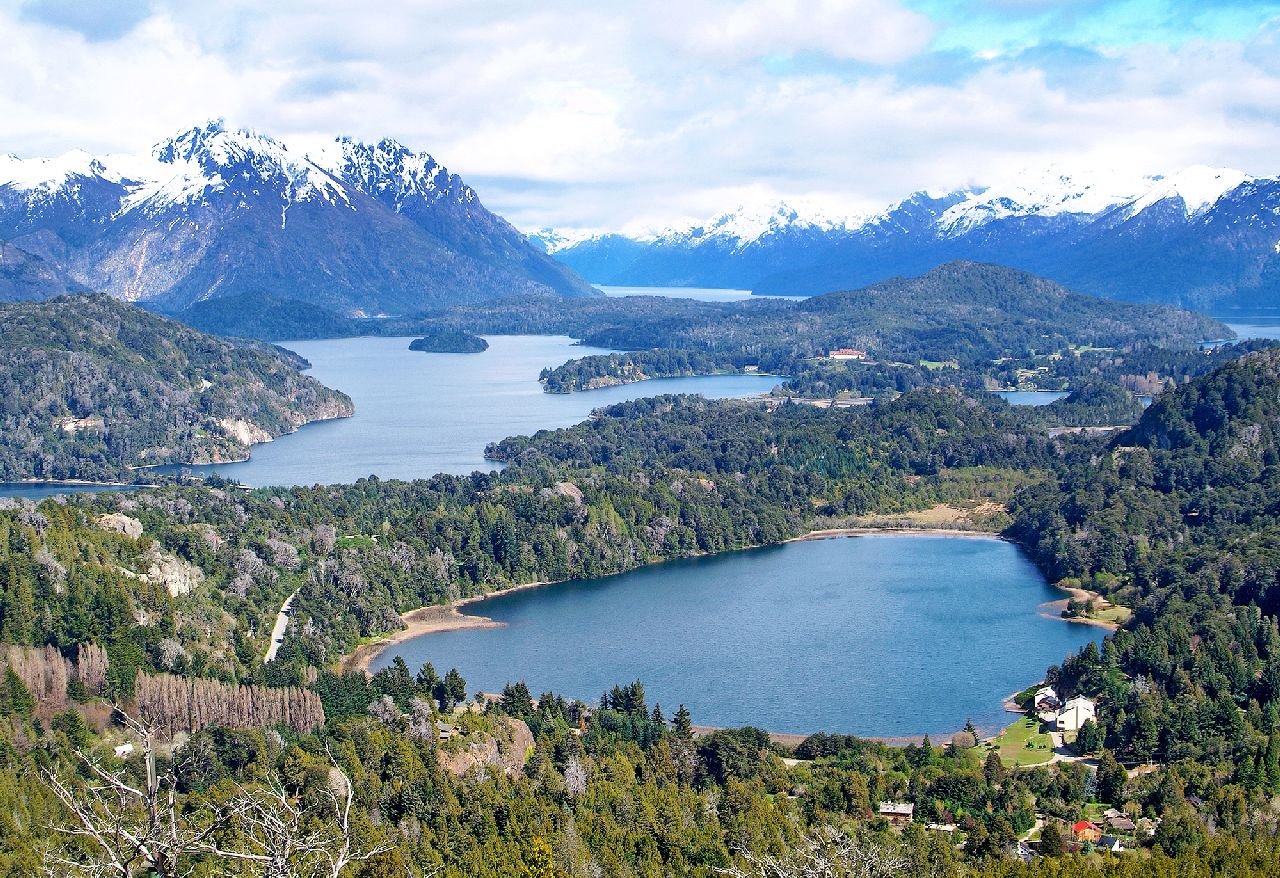
Argentina offers a diverse landscape and vibrant culture that can enhance your remote working experience. However, navigating regional connectivity can be challenging due to varying internet speeds and access. While urban areas like Buenos Aires provide reliable connections, rural regions may require planning ahead to ensure you’re productive. You’ll need to consider local transportation options and select accommodations with the best Wi-Fi availability. This guide will equip you with the knowledge to maintain your workflow while fully embracing your Argentine adventure.
Key Takeaways:
- Argentina offers diverse connectivity options across regions, including buses, trains, and flights.
- Understanding the best transportation methods can save time and enhance travel experience.
- Local SIM cards and portable Wi-Fi devices improve internet access for remote work while on the go.
Types of Work Opportunities
Argentina presents an array of work opportunities suitable for various skills and interests. Engaging in the local market or leveraging your expertise remotely can enhance your travel experience. Here are some popular options:
- Remote Work
- Freelancing
- Seasonal Jobs
- Tourism-Related Work
- Teaching English
Assume that you are open to diversifying your professional experience while exploring Argentina’s vibrant culture.
| Remote Work | Work from anywhere with an internet connection. |
| Freelancing | Offer your skills on a project basis. |
| Seasonal Jobs | Temporary roles during peak tourist seasons. |
| Tourism-Related Work | Engage with visitors in restaurants or tours. |
| Teaching English | Opportunities abound in language schools. |
Remote Work
With robust internet access in urban areas, remote work is a viable option in Argentina. Popular platforms like Upwork or Fiverr allow you to maintain your career while enjoying the landscapes of Patagonia or the cultural buzz of Buenos Aires.
Freelancing
Freelancing in Argentina can be highly rewarding. You can capitalize on your skills in areas like graphic design, content writing, or web development, catering to clients worldwide while experiencing the local lifestyle.
Many freelancers find it beneficial to network with local communities or online groups. Engaging with fellow professionals provides support, potential collaborations, and leads to more robust job opportunities. Expect varying pay rates; however, many can live comfortably while achieving a work-life balance amidst stunning backdrops.
Seasonal Jobs
Seasonal jobs often align with Argentina’s peak tourist seasons, providing excellent opportunities for temporary employment. Roles in hospitality, agriculture, or events can offer supplemental income.
Typical seasonal work includes positions in Patagonia during ski season or in Mendoza during grape harvests. Expect a mix of physical and customer service roles, with the bonus of immersing yourself in local culture while earning money to fund your travels.
Regional Connectivity
Your experience in Argentina will largely depend on how well you navigate its regional connectivity. The country boasts a range of options tailored to various budgets and preferences, enabling you to explore everything from bustling cities to serene landscapes. Knowing the ins and outs of regional transport and connectivity will enhance your travel experience substantially, ensuring you can easily transition between work and exploration.
Transportation Options
In Argentina, you’ll find an extensive network of buses, trains, and flights connecting key regions. Long-distance buses are a popular choice, offering comfort and affordability. Meanwhile, domestic flights can save time for longer journeys, especially between major cities like Buenos Aires, Mendoza, and Bariloche. For local travel, city buses and subways provide convenient options to navigate urban areas.
Internet Access
Accessing the internet is vital for remote work, and Argentina has a well-developed infrastructure for this purpose. Major cities typically offer reliable Wi-Fi in cafes, restaurants, and public spaces, while mobile data plans are available for those on the move. However, rural areas may present challenges, so it’s wise to plan accordingly.
In urban centers like Buenos Aires and Córdoba, you can expect strong Wi-Fi coverage, often boasting speeds over 20 Mbps. Neighborhood cafes and coworking spaces usually provide secure connections, allowing you to work efficiently. If you venture into the countryside or less populated areas, options may be limited. Consider purchasing a local SIM card for mobile data, ensuring you have a backup connection while traveling, as it can prove invaluable when Wi-Fi isn’t available.
Co-Working Spaces
Co-working spaces in Argentina are on the rise, providing dedicated environments for productivity and networking. Cities like Buenos Aires and Mendoza have numerous spaces equipped with vital amenities such as high-speed internet, meeting rooms, and coffee bars. These environments cater to both local entrepreneurs and remote workers, making them ideal for collaboration and community engagement.
Spaces like Urban Station in Buenos Aires and Work Cafe in Mendoza offer flexible membership plans and foster an inspiring atmosphere. You’ll find opportunities to connect with fellow digital nomads, attend workshops, or participate in community events. Joining a coworking space not only boosts your productivity but also enhances your travel experience by connecting you with like-minded individuals. Whether you need a quiet corner or a collaborative area, these spaces have you covered.
Tips for Productive Work While Traveling
Maximizing your productivity while traveling in Argentina requires adaptability and smart strategies. Here are necessary tips to maintain focus:
- Set clear goals each day.
- Create a dedicated workspace when possible.
- Leverage technology to stay connected.
- Prioritize communication with your team.
- Incorporate breaks to recharge.
Thou must find your rhythm to thrive.
Time Management
Effective time management is vital for balancing work and exploration. Allocate specific hours for work and leisure, using tools like calendars or time-blocking techniques. Prioritize tasks based on deadlines and importance, ensuring your most critical projects get the attention they require. Scheduling your day can prevent distractions and enhance overall productivity.
Establishing a Routine
Creating a consistent routine while on the go fosters productivity and wellness. Regularity in your schedule helps your mind stay focused on work, even within unfamiliar environments.
Incorporate elements of daily life back home into your travel routine. For example, rise at a certain time each morning and follow a ritual before starting work-be it coffee, a short workout, or a walk. Such habits can anchor your day, making it easier to transition between work and leisure while exploring vibrant Argentine landscapes.
Staying Organized
Staying organized is necessary to maintaining productivity during your travels. Utilize digital tools like Trello, Evernote, or Google Drive to keep all your documents and projects in one accessible location.
Investing in a quality digital planner or project management app can streamline your workflow. Regularly update task lists and establish a clean desktop to avoid chaos. When you maintain organization, you free yourself from unnecessary stress, allowing you to enjoy your adventures in Argentina without the weight of disarray on your mind.
Step-by-Step Guide to Finding Work
Table of Contents
| Researching Job Opportunities | Building a Network |
| Applying for Positions |
Researching Job Opportunities
Start your journey by exploring online job boards, such as LinkedIn, Glassdoor, and InfoJobs. Tailor your search to include keywords relevant to your skills and desired locations in Argentina. Leverage local websites like ZonaJobs and consider niche platforms related to your industry, which can often provide leads in less competitive markets.
Building a Network
Networking is key in Argentina’s job market. Attend local meetups, industry conferences, and workshops to meet potential employers and like-minded professionals. Utilize platforms like Meetup or Eventbrite to find gatherings in your area, and don’t hesitate to reach out via LinkedIn to expand your connections.
A solid network can open doors to unadvertised job opportunities. Engage with locals, join expat groups, and stay active on social media platforms aimed at your industry. This could involve participating in discussions, sharing relevant content, or seeking advice, all of which can position you as a valuable candidate in the eyes of employers.
Applying for Positions
When applying for jobs, customize your resume and cover letter for each position. Highlight relevant experience and how your skills align with the requirements stated in the job description. Keep in mind that many companies in Argentina appreciate a personal touch, so whenever possible, address your application to a specific person.
To stand out, consider including a portfolio of your work or references from previous employers. Submit your applications early and follow up a week later to express your continued interest. This approach demonstrates your enthusiasm and can leave a lasting impression on potential employers.
Factors to Consider
Before immersing yourself in work while exploring Argentina, there are several important factors to consider that can significantly impact your experience. Assess the legal requirements for working, evaluate the various time zones, and understand the cultural differences that may influence your interactions. Ensure you select a workspace that fits your productivity needs. Thou must not overlook these elements for a successful journey.
Legal Requirements
Ensure you understand the legal requirements for working in Argentina, as this varies based on visa types and work permits. A tourist visa may limit your ability to engage in paid work, while some work visas require sponsorship from a local employer. Researching the appropriate visa category is vital to remain compliant with local laws.
Time Zones
Argentina spans multiple time zones, predominantly operating on Argentina Time (ART), which is UTC-3. This affects scheduling your work engagements and meetings, particularly if you are coordinating with clients or teams from different regions. Adapt your routines accordingly to maximize efficiency and communication.
Understanding the local time variations can significantly influence your scheduling. For instance, Argentina practices Daylight Saving Time in some regions, shifting the clock forward an hour. This makes it vital to double-check your appointments and deadlines to avoid confusion and maintain productivity while also experiencing the vibrant culture around you.
Cultural Differences
The cultural differences in Argentina can shape your work experience, from communication styles to business etiquette. Embracing local customs, such as the importance of personal relationships in business, will enhance your interactions. Being mindful of these cultural nuances can lead to more fruitful exchanges.
Take time to understand the significance of interpersonal connections in Argentine culture. Unlike the typical directness found in many Western countries, Argentinians often prioritize building rapport first. Engaging in friendly conversation before venturing into matters can create a more welcoming environment, fostering collaboration and mutual respect in your professional dealings.
Pros and Cons of Working While Traveling
| Pros | Cons |
|---|---|
| Flexibility in schedule | Potential internet connectivity issues |
| Cultural immersion | Difficulty in maintaining work-life balance |
| Diverse work environments | Possible time zone challenges |
| Networking opportunities | Distractions in new locations |
| Increased creativity | Uncertainty in job security |
| Cost-effectiveness | Limited access to resources |
| Motivation from new experiences | Isolation from teams back home |
| Enhanced problem-solving skills | Potential legal work restrictions |
| Improved time management | Frequent relocations can be tiring |
| Unique cultural perspectives | Cultural misunderstandings |
Advantages
Working while traveling in Argentina allows you to enjoy flexibility in your schedule, enabling you to balance work with cultural exploration. You gain access to diverse work environments, enriching your creative output and motivation. Networking opportunities abound, potentially expanding your professional contacts globally, while the immersive experience enhances your problem-solving skills and overall adaptability.
Disadvantages
On the flip side, working while traveling can introduce various challenges that may hinder your productivity. Internet reliability can be a significant concern, especially in remote areas. Additionally, the struggle to maintain a healthy work-life balance can lead to burnout if you’re not careful. Time zones can complicate scheduling and reliable communication, making collaboration with colleagues back home more difficult.
Moreover, distractions from new and exciting environments may affect your focus, reducing overall work efficiency. The uncertainty of job security while trying to navigate a potentially unstable market can add stress. Frequent relocations can become physically and mentally taxing, contributing further to a feeling of isolation from your primary support network. Embracing remote work in Argentina demands a keen awareness of these risks alongside the rewards.
Summing up
On the whole, navigating Argentina while balancing work and travel requires strategic planning and flexibility. With diverse regional connectivity options, you can easily access urban centers and remote areas alike, allowing you to maintain productivity while enjoying the local culture. Understanding transportation systems, reliable Wi-Fi locations, and time management will enhance your experience. Prioritize adapting to varying environments to maximize both your professional responsibilities and leisure time, ensuring a fulfilling journey across this vibrant nation.

Hi, I’m Natalia, an Argentine-born writer of travel pieces. My articles about my hometown of Buenos Aires reflect the way it exists to me—beyond the conventional attractions, reaching the regular locales, the local haunts, and actual tales that make Buenos Aires.
I also blog about expat life here—what it really is like to make this city one’s home, from the enjoyable aspects (weekend ferias and those late-night empanadas) to the frustrating ones (hi, paperwork). If you’re stopping by or considering making Buenos Aires home, I aim to be honest, practical, and somewhat personal.