
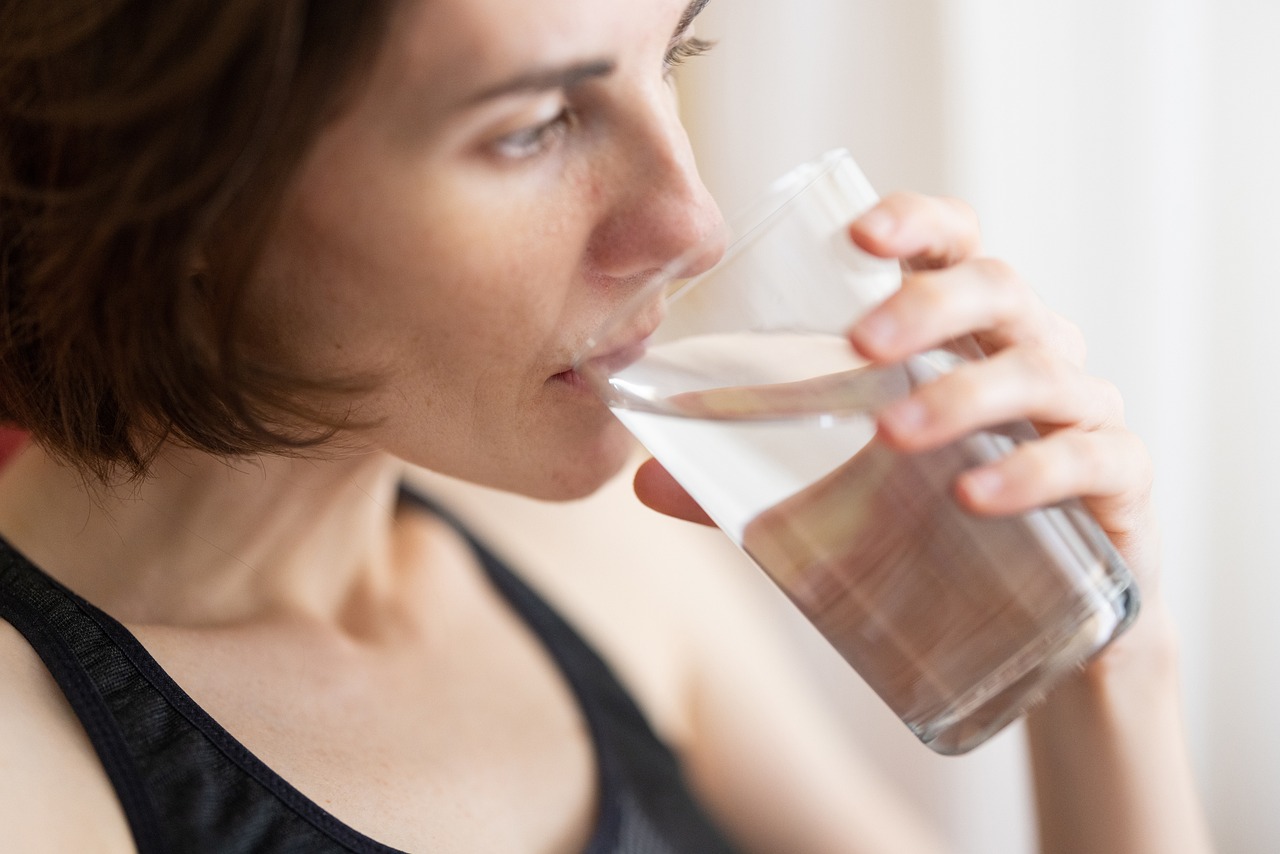
What Affects How Tap Water Tastes and Feels
Even when tap water meets safety standards, it does not always taste the same everywhere. Water in the city is treated with chlorine, and some visitors notice a slight chemical taste, especially at first. In older buildings, the quality you get at the tap can also depend on the pipes and on the rooftop or basement tanks that many apartment blocks use. A tank that is poorly maintained can affect taste and cleanliness, which is why residents often pay attention to how their building handles maintenance.
Visitors who are not used to local water sometimes have mild stomach upsets in the first days, even when nothing is wrong with the water itself. A change in diet, spicy or heavy food and tiredness from travel can all play a part. Give your body time to adjust, and keep your fluids up.
Practical Options if You Prefer Not to Drink From the Tap
- Buy bottled water from supermarkets and kiosks, which are easy to find in every neighborhood.
- Use a filter jug or a refillable bottle with a built-in filter if you want to cut down on plastic.
- Ask your host or hotel how the building’s water system works and whether they recommend drinking from the tap.
- Choose sealed bottles in restaurants if you are unsure, and avoid ice if you are especially cautious.
If you are traveling with young children, elderly relatives or anyone with a weakened immune system, it is reasonable to be more careful and stick to bottled or filtered water. The same applies if you have a medical condition that makes stomach infections more serious. Ask a doctor or a travel clinic before your trip if you are unsure.
Water Outside Buenos Aires
Conditions vary across Argentina. Tap water in other cities, small towns and rural areas can differ in treatment and quality, and in some places local advice is to drink bottled water. Do not assume that what is true in the capital applies to the rest of the country. Ask locals or your accommodation when you arrive in a new place, and carry a bottle when you go hiking or on long road trips.
Staying Healthy on Your Trip
Water is only one part of staying well while you travel. Wash your hands often, be sensible with street food and take any regular medication with you in its original packaging. Our guides to healthcare in Argentina and safety and security in Buenos Aires explain how to find care and what to do in an emergency. For other practical basics, such as money and transport, read essential travel information for Buenos Aires, and for food ideas see dining and nightlife in Buenos Aires.
Water standards and local conditions can change, and this article is general information, not medical advice. Check current guidance from health authorities or a travel clinic before you travel.
Quick Answers
Can you brush your teeth with tap water? Most residents do, and many visitors do as well, but if you prefer extra caution, use bottled or filtered water until you feel comfortable. Is ice safe? In established restaurants it is usually made with treated water, but you can ask or skip it if you are unsure. What about washing fruit and vegetables? Rinsing produce under running water is normal practice, and many visitors also peel fruit they cannot wash well.
If you notice an unusual smell, color or taste, or if a building reports a problem with its supply, switch to bottled water and tell your host. Seek medical care if you develop severe or lasting stomach symptoms.

Hi, I’m Natalia, an Argentine writer born and raised in Buenos Aires, and I’ve been writing about this city for 9 years.
I cover Buenos Aires the way only a local can: the neighbourhoods that don’t make the highlight reels, the ferias worth getting up early for, the parrillas where the menu isn’t in English, and the safety picture by barrio — honest, not sanitized. I’ve taken 40+ solo trips across Argentina, Uruguay, Chile, Bolivia and Peru, and I write in both Spanish and English, which means the local forums, neighbourhood Facebook groups and municipal notices that never get translated are all fair game for me.
My writing covers two things I know from the inside: Buenos Aires as a destination — what to do, where to stay, how to navigate the city as a visitor — and Buenos Aires as a place to live. The expat life content comes from real experience: the paperwork that defeats everyone, the healthcare system that surprises you, the cost of living that changes faster than any guidebook can track, and the parts of porteño life that make it worth all of it.
If you’re visiting for a week or moving here for a year, I aim to be the honest friend who actually lives here — not the one who visited once and wrote a listicle.