
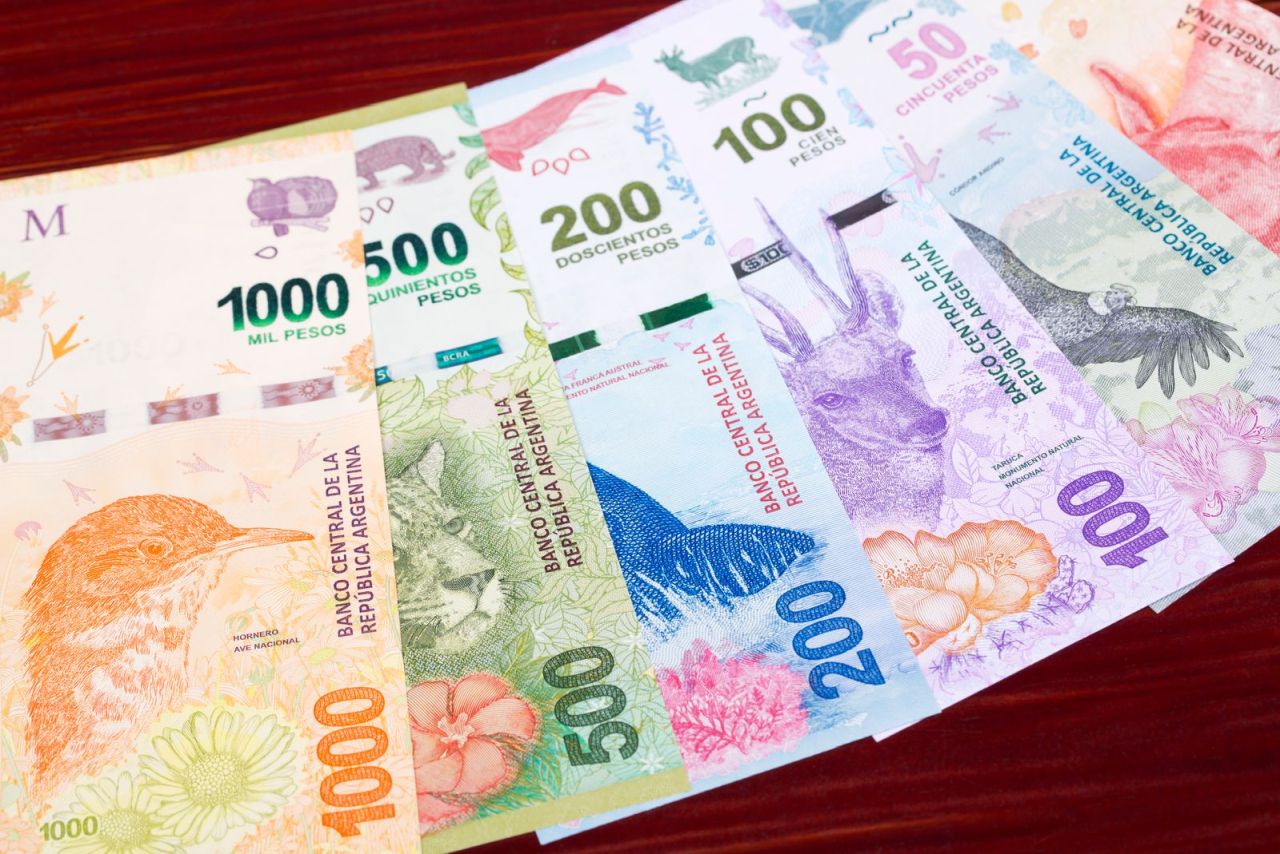
This is the detailed guide. For the short version, see The Blue Dollar in Buenos Aires and our money and exchange rates guide.
The “blue dollar” (dólar blue) is the name Argentines use for the informal, unofficial market rate for US dollars. For years the gap between this rate and the official rate was large, which is why travelers and expats heard so much about it. Argentina’s currency rules have changed repeatedly in recent years, and the size of that gap has changed with them, so this guide explains the idea and then tells you what to verify before you exchange money.
What the Blue Dollar Is
When a government limits how freely people can buy foreign currency, a parallel market tends to appear. In Argentina that market was the blue dollar, traded through informal dealers known as arbolitos (street touts) and cuevas (unofficial exchange offices), and quoted daily in the press. Local news sites and finance apps publish the quotes, so you can see the figure without dealing with anyone.
Several other rates exist alongside it, and the names matter when you read a headline or a price:
- Official rate (oficial): the rate banks and the central bank use.
- Blue: the informal cash market rate.
- MEP and CCL: rates that come from legal financial operations with bonds or shares, quoted separately in the press.
- Card and tourist rates: the rate applied when a foreign card is used in Argentina. This has changed several times, so check it for your own card.
Why the Gap Moves
The distance between the official and informal rates depends mostly on how strict the currency controls are and how much people trust the peso. Tighter limits on buying dollars and high inflation tend to widen the gap. Relaxed controls tend to narrow it. Because policy has shifted more than once, any figure you read in an older article may be badly out of date. Look at today’s quotes rather than relying on a number from a guide.
Legal and Practical Risks
Exchanging through unlicensed dealers sits outside the formal system. Visitors have reported counterfeit notes, short-changing and street scams around well-known tourist areas. Prices can also be quoted in dollars or pesos depending on the seller, which makes it easy to misjudge a deal. If you choose to use informal dealers, that is your own risk, and the safer routes below are usually enough.
Safer Ways to Get Pesos
- Licensed exchange offices (casas de cambio): regulated, display their rates, and give a receipt. Compare two or three before changing a large amount.
- International money transfer services: some let you collect cash pesos in Argentina. Compare the rate and the fee, not just the headline number.
- Foreign cards: many places accept them, but the rate applied to foreign cards has changed over time. Ask your card issuer how it handles Argentina and whether it charges foreign transaction fees.
- ATMs: withdrawal limits and fees can be high, so check your bank’s terms before you rely on them.
- Bringing cash dollars: clean, undamaged high-value notes are generally preferred by exchange offices, and torn or marked notes are often refused.
Simple Safety Rules
- Check the current quotes on a reputable local finance site before you exchange anything.
- Count the money yourself before you hand over yours.
- Avoid changing money on the street, especially near busy tourist spots.
- Keep your exchange receipt.
- If a rate looks far better than everyone else’s, treat it as a warning sign, not a bargain.
Budgeting Around the Rate
Because the exchange picture changes, build a margin into your budget instead of planning around one rate. Our cost of living guide covers everyday prices, and the guide to opening a bank account explains what residents can do through the formal system.
Frequently Asked Questions
What is the blue dollar rate?
It is the unofficial market rate for US dollars in Argentina. It is quoted daily in local media and differs from the official rate by an amount that has changed a great deal over the years.
Is the blue dollar illegal?
Informal exchange operates outside the regulated system and carries legal and practical risk. Rules have changed, so check current guidance from official sources and your own government’s travel advice before relying on it.
How can I find today’s rate?
Local finance news sites and apps publish the official, blue and MEP quotes together. Compare several, because they can differ slightly.
What is the best way for a visitor to pay in Argentina?
There is no single answer. A mix of a foreign card, some cash from a licensed exchange office and a backup card usually works. Check current conditions for your card before you travel.

Hi, I’m Natalia, an Argentine writer born and raised in Buenos Aires, and I’ve been writing about this city for 9 years.
I cover Buenos Aires the way only a local can: the neighbourhoods that don’t make the highlight reels, the ferias worth getting up early for, the parrillas where the menu isn’t in English, and the safety picture by barrio — honest, not sanitized. I’ve taken 40+ solo trips across Argentina, Uruguay, Chile, Bolivia and Peru, and I write in both Spanish and English, which means the local forums, neighbourhood Facebook groups and municipal notices that never get translated are all fair game for me.
My writing covers two things I know from the inside: Buenos Aires as a destination — what to do, where to stay, how to navigate the city as a visitor — and Buenos Aires as a place to live. The expat life content comes from real experience: the paperwork that defeats everyone, the healthcare system that surprises you, the cost of living that changes faster than any guidebook can track, and the parts of porteño life that make it worth all of it.
If you’re visiting for a week or moving here for a year, I aim to be the honest friend who actually lives here — not the one who visited once and wrote a listicle.